News, milestones, and research highlights from the Saskatchewan Maternal-Fetal Medicine Research Group.

Conference Saskatchewan Researchers Present New Maternal Obesity Research at the International Congress on Obesity 2026 Studies explore placental biomarkers and recovery after cesarean birth in patients with obesity.

Researchers from the University of Saskatchewan and Saskatchewan Health Authority will present two studies at the International Congress on Obesity (ICO) 2026, one of the world's leading scientific meetings dedicated to obesity research and clinical care.

The presentations highlight ongoing efforts to improve outcomes for pregnant patients with obesity through earlier identification of pregnancy complications and better support during postoperative recovery. Together, the studies address two critical questions facing modern obstetrical care: how can healthcare providers better identify obese patients at risk of serious pregnancy complications, and how can recovery after cesarean birth be improved for patients with obesity?

Identifying High-Risk Pregnancies Earlier

The first study examined whether Placental Growth Factor (PlGF), a biomarker of placental health, can help identify patients with obesity at increased risk of preeclampsia. Preeclampsia is a serious pregnancy complication characterized by high blood pressure and organ dysfunction that can threaten the health of both mother and baby. Obesity is a well-established risk factor for preeclampsia, but not all patients with obesity develop the condition, making accurate risk assessment challenging.

Researchers evaluated the relationship between maternal obesity, low PlGF levels, and preeclampsia in a cohort of pregnant patients receiving care at a tertiary maternal-fetal medicine centre. The study found that low PlGF was strongly associated with preeclampsia, increasing the odds of the condition nearly fivefold. Importantly, the predictive value of low PlGF remained consistent regardless of obesity status. While pregnancies complicated by both obesity and low PlGF experienced the highest burden of disease, obesity itself did not change the relationship between low PlGF and preeclampsia.

These findings suggest that PlGF may serve as a valuable biomarker for identifying placental dysfunction and guiding surveillance strategies in pregnant patients with obesity.

“Earlier identification of high-risk pregnancies creates opportunities for closer monitoring, timely intervention, and more individualized care,” said Adrielle Souza Lira, registered nurse and researcher.
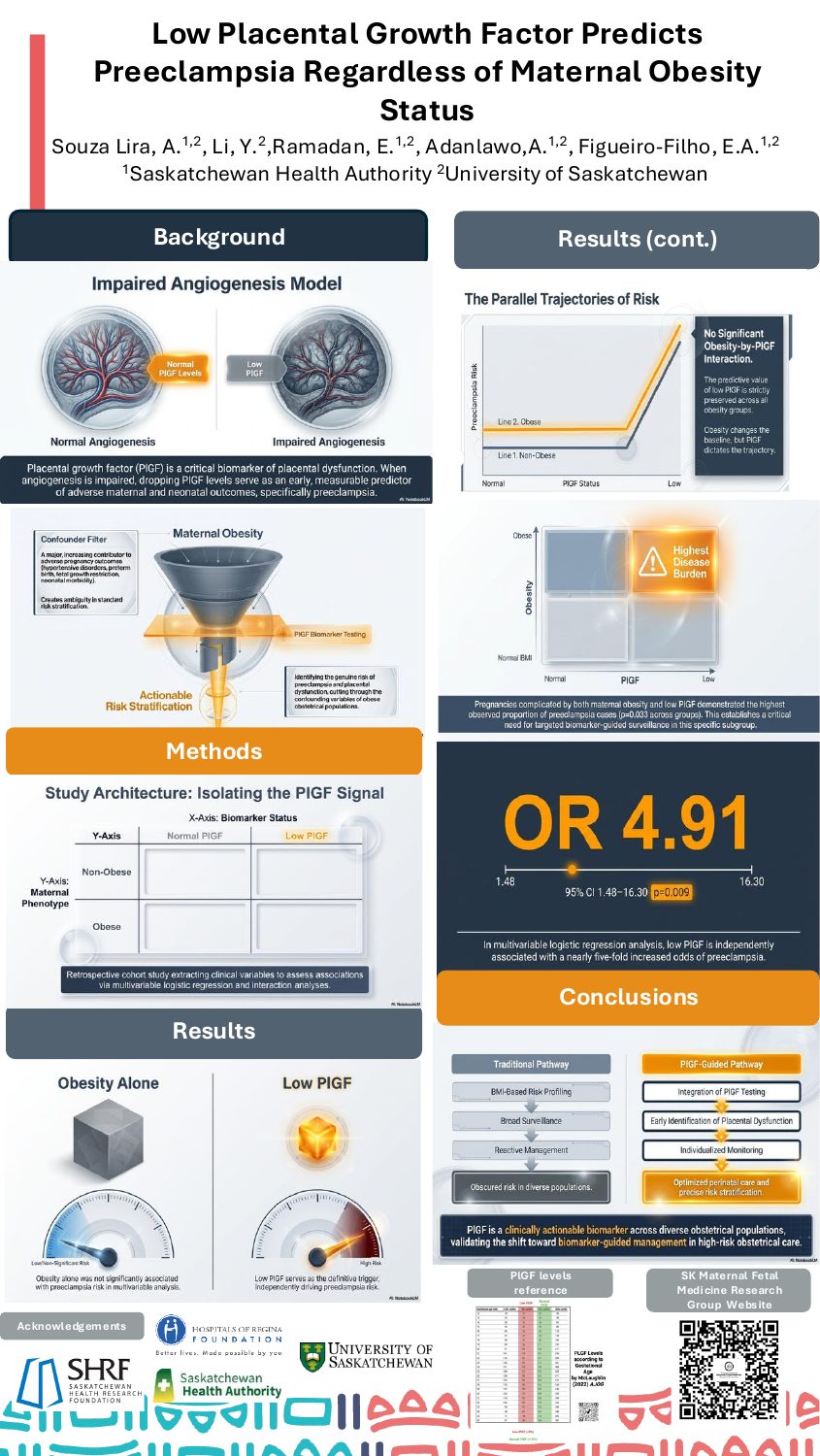
Poster: Low Placental Growth Factor Predicts Preeclampsia Regardless of Maternal Obesity Status

Low Placental Growth Factor Predicts Preeclampsia Regardless of Maternal Obesity Status

Improving Recovery After Cesarean Birth

The second study focused on a different but equally important challenge: recovery after cesarean birth among patients with obesity. Obesity significantly increases the risk of wound complications, postoperative pain, delayed recovery, and prolonged hospital stays following cesarean delivery. Researchers evaluated patient recovery experiences following the use of Negative Pressure Wound Therapy (NPWT), an advanced wound management approach designed to support healing after surgery.

The study included patients with Class I–III obesity who underwent cesarean birth at a tertiary care centre and received NPWT dressings as part of their postoperative care.

Researchers found that while NPWT was well tolerated and no major wound-related complications requiring reoperation occurred, many patients continued to experience substantial physical and emotional recovery challenges. Moderate-to-severe pain remained common, and patients reporting higher pain levels also reported higher levels of anxiety and depression. Recovery difficulties were particularly pronounced among those delivering at earlier gestational ages.

The findings highlight the importance of viewing recovery through a broader lens that includes not only wound healing but also pain management, mobility, mental health, and overall quality of life.
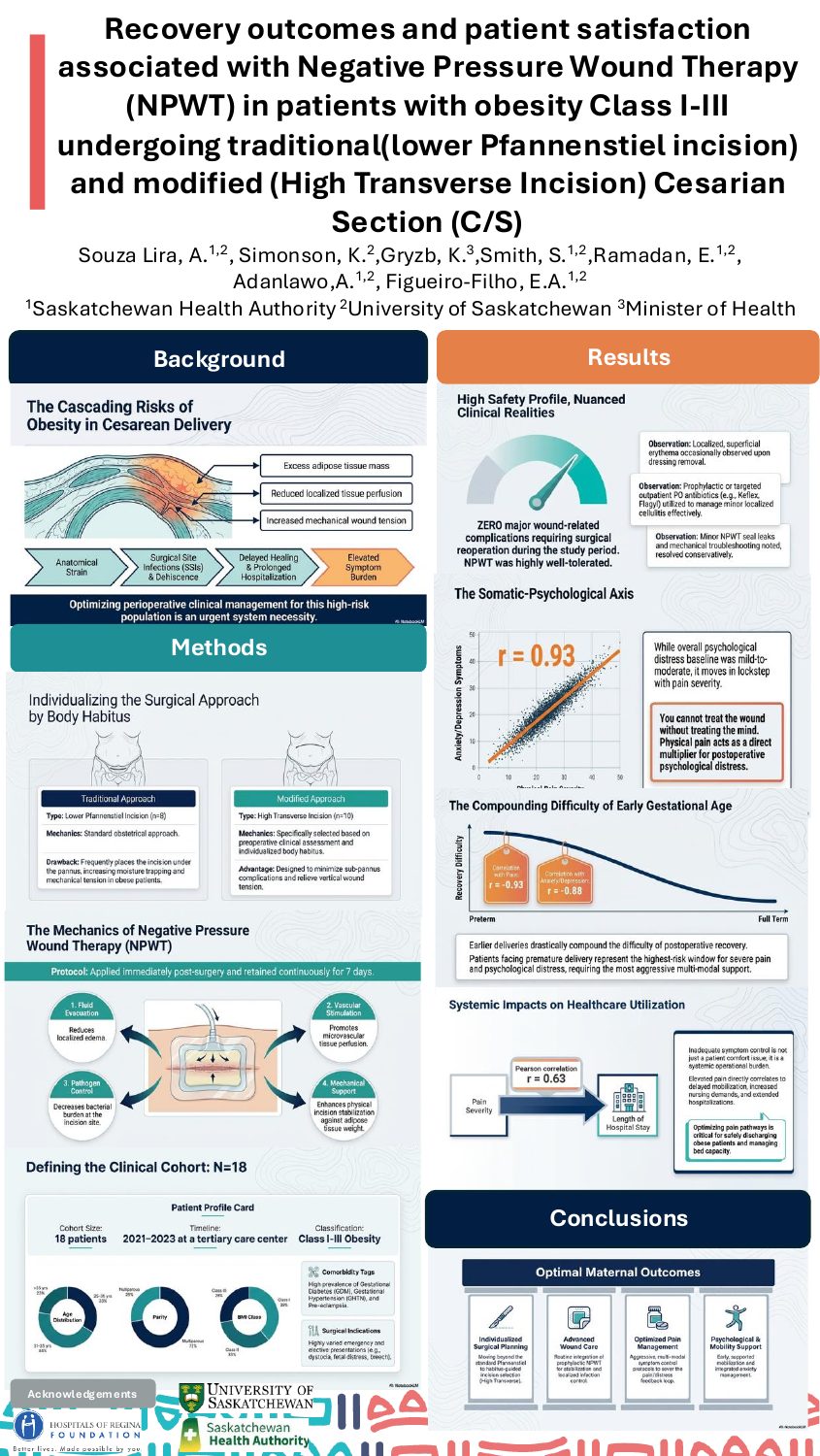
Poster: Recovery outcomes and patient satisfaction associated with Negative Pressure Wound Therapy

Recovery outcomes and patient satisfaction associated with Negative Pressure Wound Therapy (NPWT)

Advancing Obesity-Focused Maternal Health Research

Together, these studies reflect a growing commitment to improving care for pregnant patients with obesity across the entire continuum of pregnancy. The PlGF study focuses on identifying risk before complications occur, while the cesarean recovery study addresses the experiences of patients after delivery. By combining biomarker research, patient-reported outcomes, clinical innovation, and multidisciplinary care, Saskatchewan researchers are working to improve both maternal and newborn health outcomes in populations disproportionately affected by obesity-related complications.

Bringing Saskatchewan Research to a Global Audience

Presentation of these studies at ICO 2026 provides an opportunity to share Saskatchewan-led research with international experts in obesity, maternal health, surgery, and public health. As rates of obesity continue to rise worldwide, research such as this will play an important role in developing more personalized approaches to pregnancy care, improving recovery after childbirth, and supporting healthier outcomes for mothers and babies.
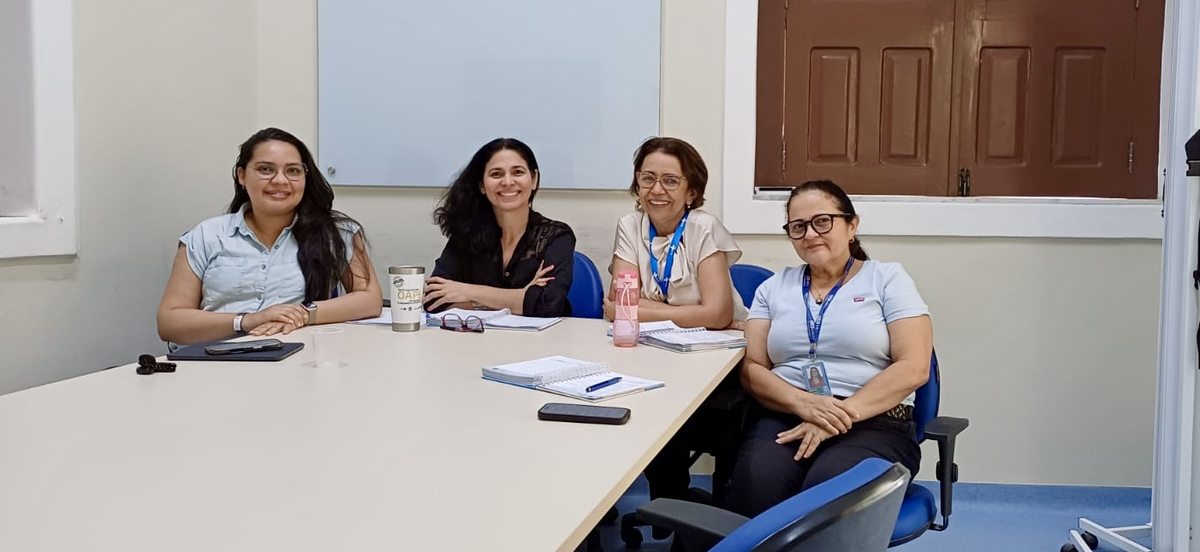

Partnership Building Bridges for Maternal and Neonatal Health: SK Maternal-Fetal Medicine Starts New Binational PlGF Partnership with Fundação Santa Casa de Misericórdia do Pará A new international collaboration with a Brazilian institution will advance research and clinical innovation in PlGF testing for high-risk pregnancies.
Representatives from SK Maternal-Fetal Medicine Research Group and Fundação Santa Casa de Misericórdia do Pará meeting in Belém

The SK Maternal-Fetal Medicine Research Group is proud to announce a new international collaboration with Fundação Santa Casa de Misericórdia do Pará aimed at advancing research and clinical innovation in placental growth factor (PlGF) testing for high-risk pregnancies.

Representatives from both institutions met on June 30, 2026, in Belém to discuss the foundation for a binational research initiative that will evaluate the role of PlGF in improving the identification and management of pregnancy complications, including preeclampsia, fetal growth restriction, and preterm birth. The partnership brings together clinical, research, and educational expertise from Saskatchewan and Brazil with a shared goal of improving maternal and newborn outcomes through evidence-based care.

A key component of the collaboration will be capacity building and knowledge exchange. The SK Maternal-Fetal Medicine Research Group has committed to providing comprehensive training and ongoing mentorship for the Brazilian research team, including specialized support for the local research coordinator. This training will focus on research implementation, data collection, quality assurance, and the integration of PlGF testing into clinical workflows.

In addition to research training, the partnership will prioritize patient-centred care and knowledge translation. The teams have agreed to co-develop educational materials for pregnant individuals participating in the study. These resources will provide accessible information on PlGF testing, pregnancy complications, and the research project's goals, empowering participants to make informed decisions about their care.

The collaboration also creates opportunities for reciprocal learning between Canada and Brazil. Researchers and clinicians from both countries will work together to address shared challenges in maternal health, strengthen research capacity, and generate evidence to inform pregnancy care across diverse healthcare settings.

“This partnership represents more than a research project—it is an opportunity to build sustainable international collaboration, support healthcare teams, and improve outcomes for pregnant individuals and their babies,” said members of the SK Maternal-Fetal Medicine Research Group.

The new initiative builds upon the group's growing PlGF research program and reflects a commitment to fostering global partnerships that translate research discoveries into meaningful improvements in maternal and fetal health.

Further updates on the project, training activities, and participant resources will be shared as the collaboration progresses.

Award Dr. Ernesto A. Figueiro-Filho Honoured with SOGC Regional Achievement Award at ACSC 2026 The Saskatchewan Maternal-Fetal Medicine Research Group celebrates Dr. Figueiro-Filho's recognition for exceptional leadership in advancing women's health.
Dr. Ernesto Figueiro-Filho announced as SOGC Regional Award Central Winner on screenDr. Figueiro-Filho receiving the SOGC award on stage

The Saskatchewan Maternal-Fetal Medicine Research Group is proud to celebrate the recognition of Dr. Ernesto A. Figueiro-Filho, who received the Society of Obstetricians and Gynaecologists of Canada (SOGC) Regional Achievement Award during the 2026 Annual Clinical and Scientific Conference (ACSC).

The SOGC Regional Achievement Award recognizes members who have demonstrated exceptional leadership, commitment, and passion for advancing women's health at the local, regional, or provincial level. Recipients are selected for their significant contributions through clinical practice, education, research, advocacy, and community engagement.

Dr. Figueiro-Filho has dedicated his career to improving maternal and fetal outcomes through excellence in clinical care, research, and mentorship. As a Maternal-Fetal Medicine specialist and researcher, he has played a pivotal role in advancing high-risk obstetrical care in Saskatchewan while fostering a culture of innovation and collaboration across disciplines.

His research program has contributed to a growing body of evidence focused on improving pregnancy outcomes, including studies examining placental biomarkers, hypertensive disorders of pregnancy, fetal growth restriction, cesarean birth recovery, and health equity in maternal care. Through his mentorship of students, residents, fellows, nurses, and early-career researchers, Dr. Figueiro-Filho has helped build research capacity and inspire the next generation of maternal health leaders.

Beyond his academic and clinical achievements, Dr. Figueiro-Filho has been a strong advocate for improving access to specialized maternal care and advancing evidence-based practices that support women and families throughout Saskatchewan and beyond.

“Dr. Figueiro-Filho's dedication to improving maternal and newborn health extends far beyond the clinic and research environment,” said members of the research team. “His leadership, generosity as a mentor, and commitment to advancing women's health have had a lasting impact on patients, trainees, and colleagues alike.”

The ACSC is the SOGC's premier national meeting, bringing together clinicians, researchers, educators, and healthcare professionals from across Canada to share innovations and advances in obstetrics and gynecology.

We extend our heartfelt congratulations to Dr. Figueiro-Filho on this well-deserved recognition and thank him for his continued leadership in improving the health and well-being of women, infants, and families.

Congratulations, Dr. Figueiro-Filho, on receiving the 2026 SOGC Regional Achievement Award.

Publication New Saskatchewan Study Shows Placental Biomarker May Help Identify High-Risk Pregnancies Earlier Research highlights the potential of Placental Growth Factor (PlGF) to improve care for pregnant patients across rural and urban communities.
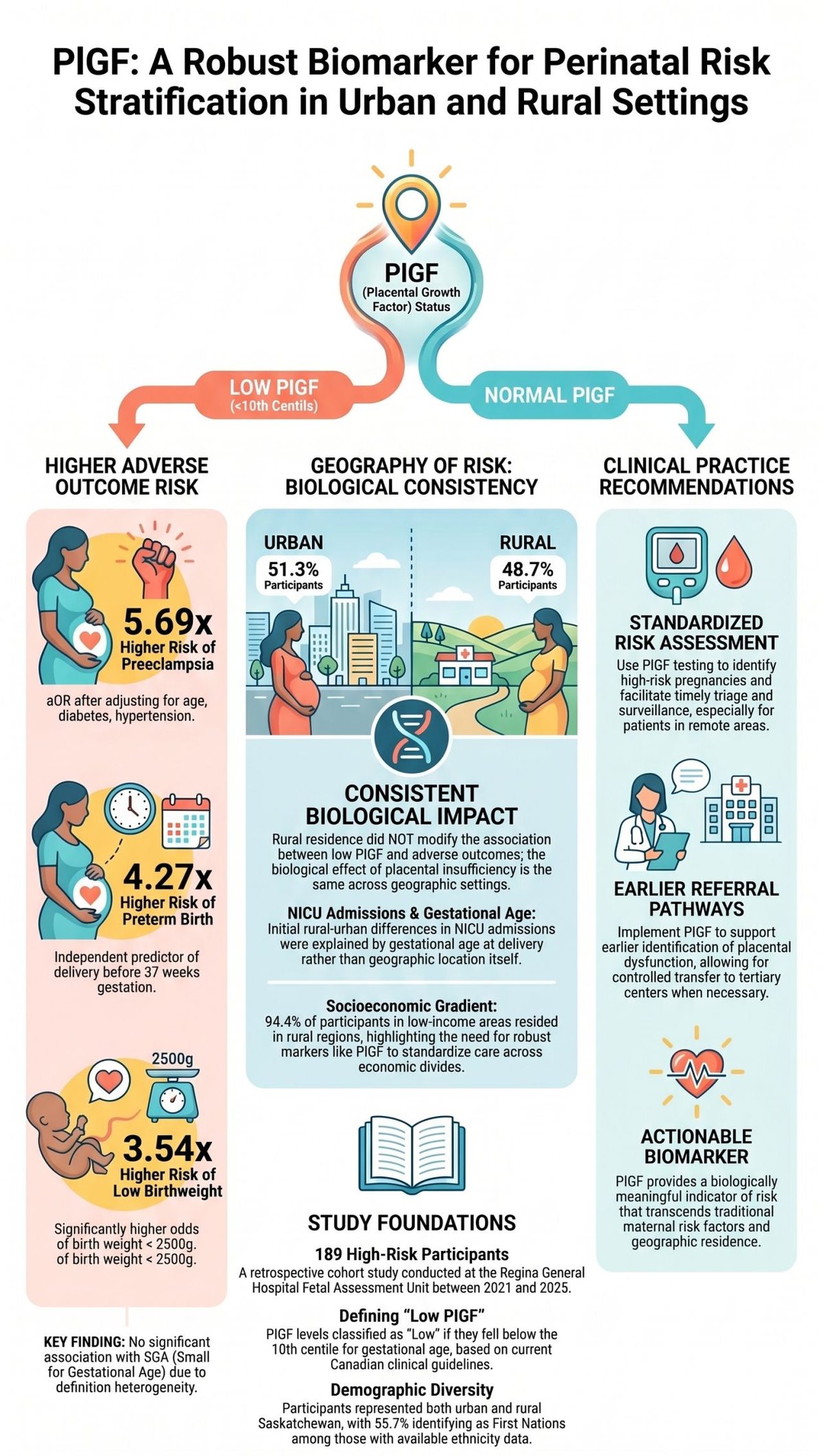
Infographic: PlGF as a robust biomarker for perinatal risk stratification in urban and rural settings

A team of researchers from the University of Saskatchewan and the Saskatchewan Health Authority has published new findings showing that Placental Growth Factor (PlGF), a protein produced by the placenta during pregnancy, may help identify patients at increased risk of serious pregnancy complications before symptoms develop.

The study, recently published in the Journal of Obstetrics and Gynaecology Canada, examined 189 high-risk pregnancies from across Saskatchewan. Researchers found that low levels of PlGF were strongly associated with complications including preeclampsia, preterm birth, and low birthweight.

Why Does PlGF Matter?

The placenta plays a vital role during pregnancy by providing oxygen and nutrients to the developing baby. When the placenta is not functioning properly, both maternal and newborn health can be affected.

PlGF is a biomarker that reflects how well the placenta is developing and functioning. Low PlGF levels may be an early sign of placental dysfunction, even before clinical symptoms appear.

“Our goal is to identify pregnancies at risk earlier so that healthcare providers can offer closer monitoring and timely interventions when needed,” says lead author Adrielle Priscilla Souza Lira, Registered Nurse and MSc Candidate at the University of Saskatchewan.

What Did the Study Find?

The research showed that pregnancies with low PlGF levels were significantly more likely to experience important maternal and newborn complications. Compared with pregnancies with normal PlGF levels, those with low PlGF were more than five times more likely to develop preeclampsia, more than four times more likely to result in preterm birth, and more than three times more likely to result in a baby with low birthweight. These associations remained strong even after accounting for other maternal risk factors.

Understanding Pregnancy Care Across Saskatchewan

Because Saskatchewan has a large rural population, researchers were also interested in understanding whether living in a rural community changed the relationship between low PlGF and pregnancy outcomes. The study found that while rural and urban patients may experience different healthcare pathways and challenges, the biological impact of low PlGF was similar regardless of where patients lived. This means that PlGF appears to be a useful tool for identifying placental dysfunction in both rural and urban populations.

“These findings are encouraging because they suggest that PlGF testing can provide valuable information for patients across Saskatchewan, including those living in rural and remote communities,” says Souza Lira.

Supporting Earlier Identification and Better Outcomes

Early identification of placental dysfunction may allow healthcare teams to increase surveillance, arrange specialist referrals, and develop individualized care plans for patients at higher risk of complications. Researchers believe PlGF testing could become an important component of pregnancy care by helping healthcare providers recognize high-risk pregnancies sooner and make more informed decisions about monitoring and treatment.

Looking Ahead

The research team hopes these findings will contribute to the growing evidence supporting the use of PlGF testing in obstetrical care across Canada. Future studies will explore how PlGF can be incorporated into clinical care pathways and whether broader implementation of biomarker-guided care can improve maternal and newborn outcomes.

This study was conducted through a collaboration between the University of Saskatchewan, Saskatchewan Health Authority, and the Regina General Hospital Fetal Assessment Unit, with the shared goal of improving pregnancy outcomes for families across Saskatchewan.

Conference Saskatchewan Medical Students and an Associate Professor Showcase Innovative Placental Health Research at ACOG 2026 Three studies presented at the ACOG Annual Clinical and Scientific Meeting explore new links between PlGF, diabetes, and fetal growth.

Two medical students from the University of Saskatchewan, Regina Campus, shared new findings from the Placental Growth Factor (PlGF) Research Program at the 2026 American College of Obstetricians and Gynecologists (ACOG) Annual Clinical and Scientific Meeting, showcasing new discoveries that may improve the identification, understanding, and management of high-risk pregnancies.

The presentations are part of Saskatchewan's Placental Growth Factor (PlGF) Research Program, an initiative focused on improving maternal and newborn outcomes through biomarker-guided pregnancy care. Together, the studies explored how PlGF may help predict fetal growth patterns, how maternal diabetes affects placental health, and whether targeted treatment strategies can improve outcomes in pregnancies affected by placental dysfunction.

Exploring an Unexpected Link Between PlGF and Fetal Macrosomia

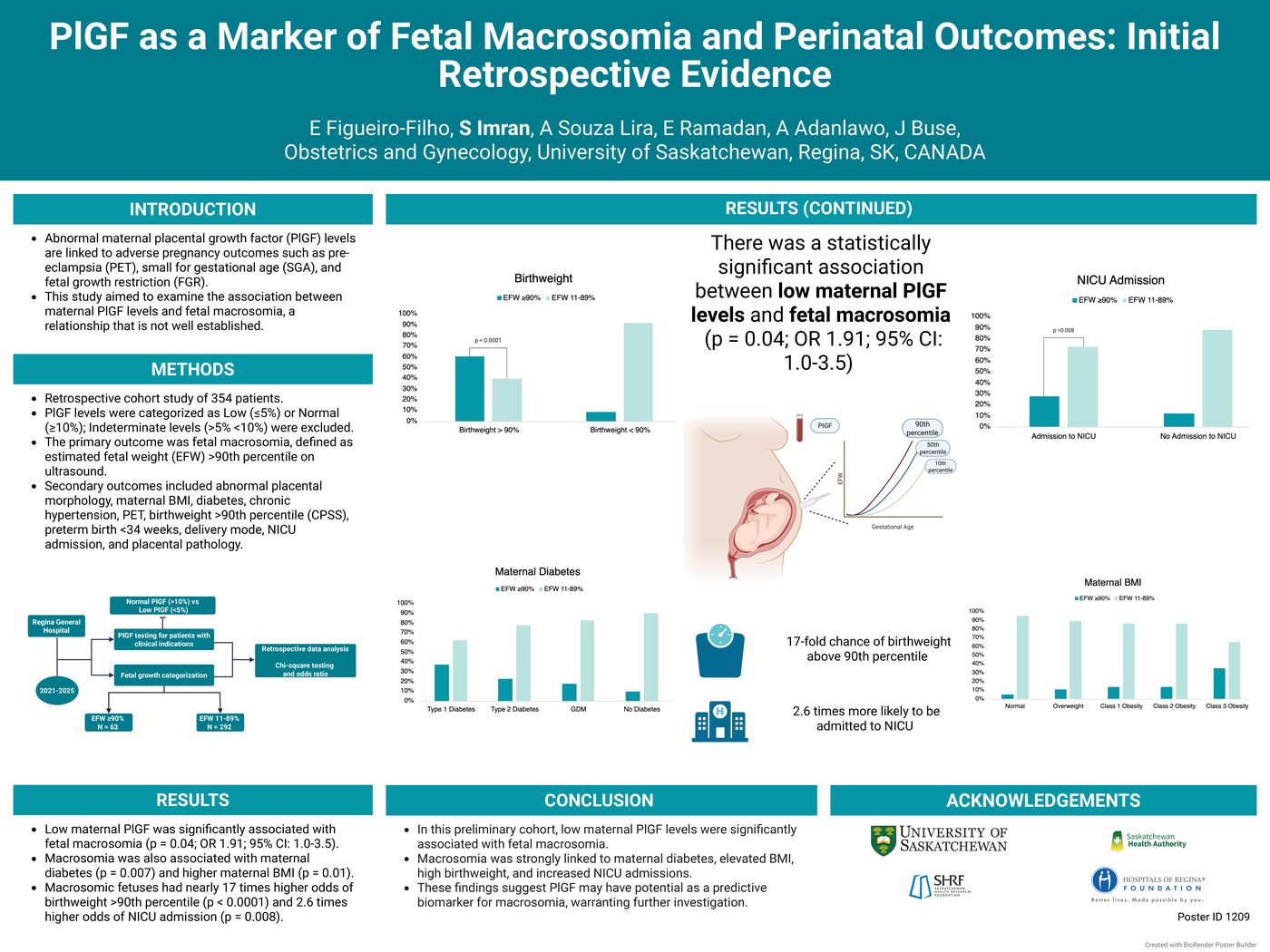
The first study examined whether maternal PlGF levels were associated with fetal macrosomia, a condition in which a baby grows larger than expected during pregnancy. While low PlGF levels are traditionally associated with placental dysfunction, fetal growth restriction, and preeclampsia, little is known about whether PlGF may also be linked to excessive fetal growth. Researchers analyzed data from 354 pregnancies and compared fetal growth outcomes among patients with low and normal PlGF levels.

The team found that pregnancies with low PlGF levels were nearly twice as likely to be associated with fetal macrosomia. The study also confirmed strong associations between macrosomia, maternal diabetes, elevated body mass index (BMI), high birthweight, and increased neonatal intensive care unit (NICU) admissions.

“These findings challenge some of our traditional assumptions about placental biomarkers and fetal growth,” says Sumayya Imran, third-year medical student. “They suggest that PlGF may provide important information across a broader range of pregnancy outcomes than previously recognized.”

Researchers emphasize that additional studies are needed to better understand the biological mechanisms underlying this association and to determine whether PlGF could eventually help identify pregnancies at risk for excessive fetal growth.

Poster: PlGF as a Marker of Fetal Macrosomia and Perinatal Outcomes

Poster ID 1209 — PlGF as a Marker of Fetal Macrosomia and Perinatal Outcomes

Exploring the Connection Between Diabetes Control and Placental Health

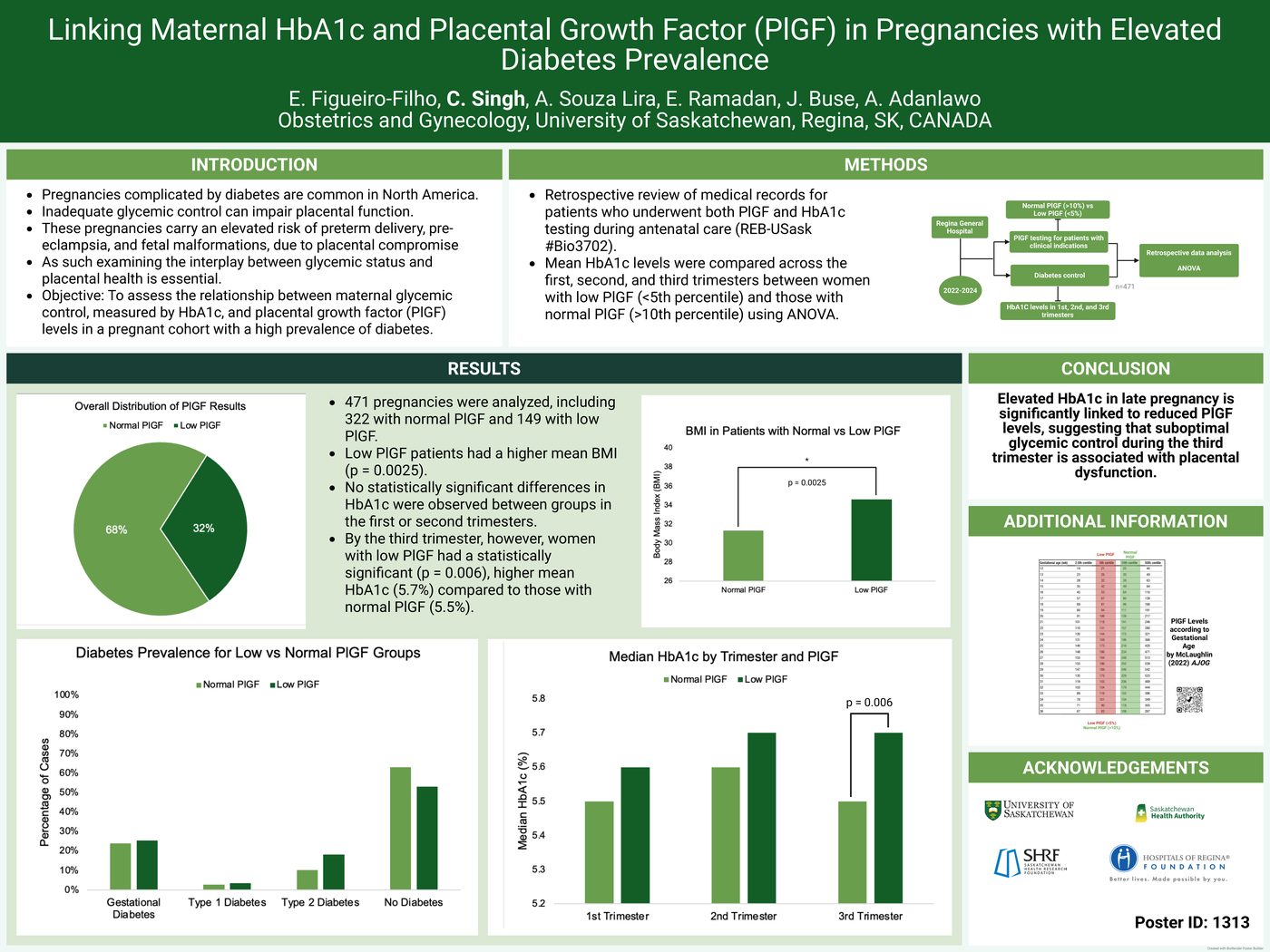
The second presentation focused on how maternal blood sugar control may influence placental function. Researchers analyzed 471 pregnancies and compared hemoglobin A1c (HbA1c) levels among patients with low and normal PlGF levels. While HbA1c values were similar during early pregnancy, important differences emerged later in gestation. Women with low PlGF levels had significantly higher HbA1c values during the third trimester, suggesting that poorer glycemic control may be associated with placental dysfunction.

These findings contribute to the growing evidence that maternal and placental metabolic health are closely connected.

“Understanding how diabetes affects placental function may help us identify opportunities for earlier intervention and improved pregnancy outcomes,” Chetan Singh, a third-year medical student, noted.

Poster: Linking Maternal HbA1c and Placental Growth Factor in Pregnancies with Elevated Diabetes Prevalence

Poster ID 1313 — Linking Maternal HbA1c and Placental Growth Factor in Pregnancies with Elevated Diabetes Prevalence

Can Targeted Therapy Improve Outcomes?

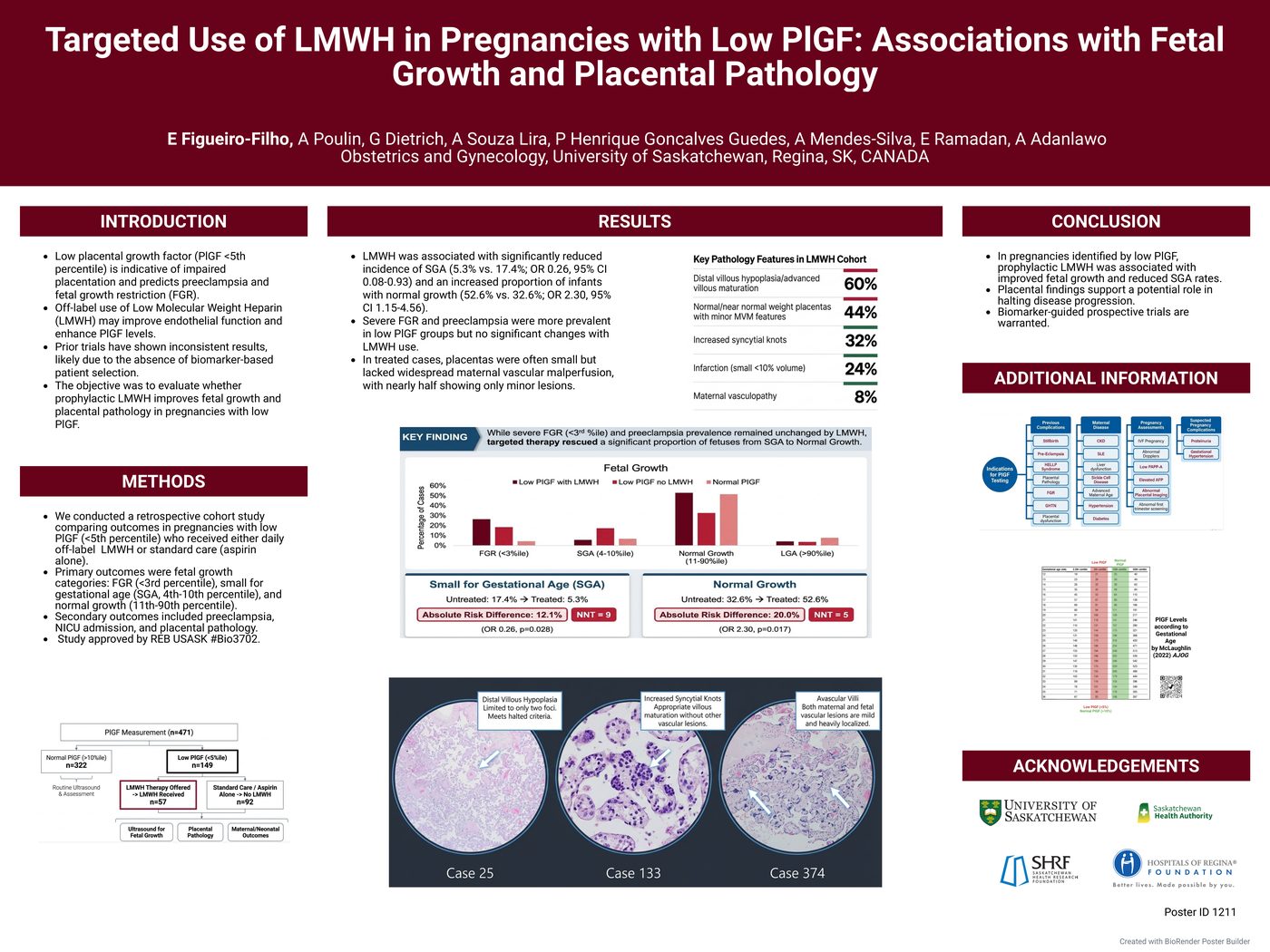
The third study moved beyond risk prediction and asked an important clinical question: Can treatment improve outcomes once placental dysfunction has been identified? Researchers evaluated pregnancies with very low PlGF levels, a marker associated with impaired placental development and increased risk of fetal growth restriction and preeclampsia. They compared patients who received prophylactic low-molecular-weight heparin (LMWH) with those who received standard care.

The findings were encouraging. Among pregnancies with low PlGF levels, LMWH use was associated with a significant reduction in small-for-gestational-age (SGA) infants, more babies achieving normal growth patterns, and evidence of less severe placental damage on pathological examination.

Researchers observed that many treated placentas showed only minor vascular lesions, leading to the hypothesis that LMWH may help slow or halt the progression of placental disease in some pregnancies. The team emphasized that prospective clinical trials are still needed, but the findings demonstrate the potential of biomarker-guided therapies to improve pregnancy outcomes.

Poster: Targeted Use of LMWH in Pregnancies with Low PlGF

Poster ID 1211 — Targeted Use of LMWH in Pregnancies with Low PlGF: Associations with Fetal Growth and Placental Pathology

Building a Comprehensive Placental Health Research Program

Together, the three ACOG presentations highlight the evolution of Saskatchewan's PlGF Research Program. The program is moving beyond simply identifying pregnancies at risk and is now addressing fundamental questions about placental biology, maternal metabolism, fetal growth, and targeted treatment strategies. Current research initiatives span clinical outcome studies involving PlGF testing, placental pathology investigations, mitochondrial and cellular studies of placental dysfunction, biosensor development to improve biomarker detection, and exploration of biomarker-guided therapeutic interventions.

Building National Recognition

Presenting at ACOG 2026 provided an opportunity to share Saskatchewan-led research with clinicians, scientists, and healthcare leaders from across North America. The work highlights the strength of collaboration between the University of Saskatchewan, Saskatchewan Health Authority, Regina General Hospital's Fetal Assessment Unit, trainees, and research partners committed to advancing maternal-fetal medicine.

Saskatchewan Research on an International Stage

Presenting three studies at ACOG 2026 reflects the growing national and international recognition of Saskatchewan's maternal-fetal medicine research community. As the PlGF Research Program continues to grow, researchers hope these findings will contribute to earlier identification of placental dysfunction, more personalized pregnancy care, and healthier outcomes for families in Saskatchewan and around the world.

Publication New Saskatchewan Study Suggests Simple Blood Test May Improve Detection of High-Risk Pregnancies Researchers find Placental Growth Factor (PlGF) outperformed uterine artery Doppler ultrasound in identifying pregnancies at risk of serious complications.
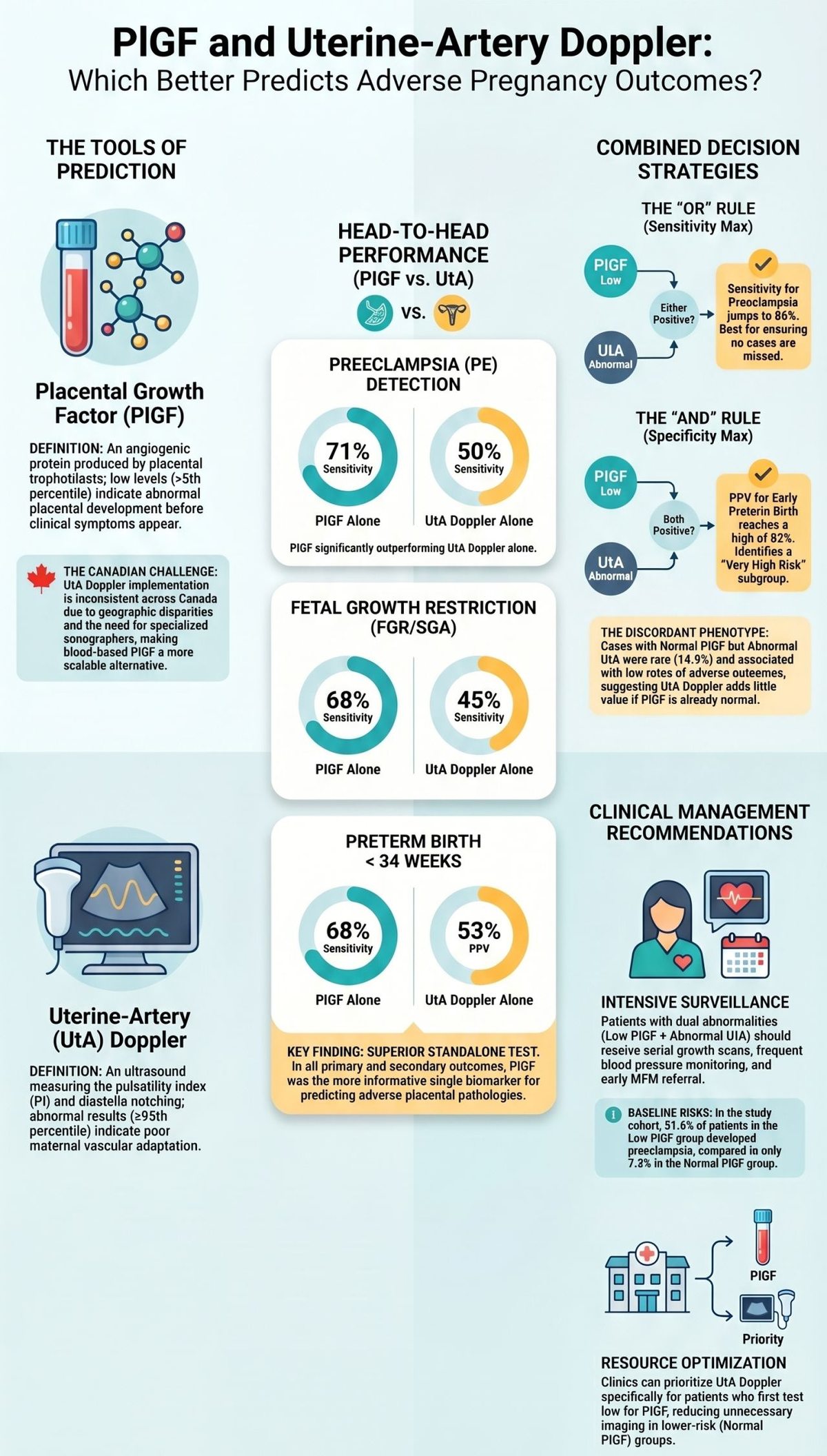
Infographic comparing PlGF and uterine-artery Doppler for predicting adverse pregnancy outcomes

A new study led by researchers at the University of Saskatchewan and Saskatchewan Health Authority has found that a simple blood test measuring Placental Growth Factor (PlGF) may be more effective than a specialized ultrasound assessment in identifying pregnancies at risk of serious complications.

Published in the Journal of Obstetrics and Gynaecology Canada, the study evaluated how well PlGF testing and uterine artery Doppler ultrasound predicted preeclampsia, fetal growth restriction, and very early preterm birth in a high-risk obstetrical population.

The findings suggest that PlGF may offer a practical and accessible way to identify pregnancies affected by placental dysfunction before complications become apparent.

Understanding Placental Health

The placenta is the organ that supports a baby's growth during pregnancy by delivering oxygen and nutrients from mother to baby. When the placenta does not develop or function properly, serious complications can occur, including high blood pressure disorders, poor fetal growth, and premature birth.

Placental Growth Factor, or PlGF, is a protein produced by the placenta. Low levels of PlGF may be an early warning sign that the placenta is under stress or not functioning normally.

“Identifying placental problems before symptoms develop gives healthcare providers an opportunity to monitor pregnancies more closely and potentially improve outcomes,” says lead author Dr. Ernesto Figueiro, Materno-Fetal Specialist and Associate Professor.

Comparing Two Important Screening Tools

The study followed pregnant patients receiving care through a tertiary obstetrical centre in Saskatchewan. Researchers evaluated two commonly used methods for assessing placental health: a blood test measuring Placental Growth Factor (PlGF), and uterine artery Doppler ultrasound, which examines blood flow to the placenta. Both tests were performed between 20 and 28 weeks of pregnancy, and researchers tracked pregnancy outcomes after delivery.

What Did Researchers Find?

Among pregnancies studied, low PlGF levels were more effective than uterine artery Doppler ultrasound alone in identifying patients who later developed serious pregnancy complications. PlGF alone detected 71% of pregnancies that developed preeclampsia, 68% of pregnancies affected by fetal growth restriction or small-for-gestational-age infants, and 68% of pregnancies that resulted in birth before 34 weeks.

In comparison, uterine artery Doppler ultrasound identified substantially fewer cases. Researchers also found that when both tests were abnormal, the risk of complications increased considerably. Patients with both low PlGF and abnormal Doppler findings had the highest rates of fetal growth restriction and early preterm birth.

Improving Access to Risk Assessment

One important advantage of PlGF testing is accessibility. While uterine artery Doppler ultrasound requires specialized equipment and highly trained sonographers, PlGF testing can be performed using a blood sample. This may make it easier to provide risk assessment in regions where specialized ultrasound services are limited.

For provinces such as Saskatchewan, where patients may live far from tertiary care centres, blood-based testing could help improve access to earlier risk identification and specialist referral.

Supporting Personalized Pregnancy Care

The study also suggests that combining PlGF testing with uterine artery Doppler ultrasound may help healthcare providers tailor care to individual patients. When the goal is to identify as many at-risk pregnancies as possible, combining both tests can improve detection. When the goal is to identify the highest-risk patients who may benefit from intensive monitoring, abnormal results on both tests identify a particularly high-risk group.

Looking Ahead

Researchers emphasize that larger studies are still needed before recommending universal screening. However, the results provide important evidence that PlGF testing may play an increasingly important role in prenatal care. This research was supported by the Saskatchewan Health Research Foundation and the Hospitals of Regina Foundation and represents an important step toward advancing biomarker-guided pregnancy care in Canada.

Research Looking Inside the Placenta: Exploring the Role of Mitochondria and Next-Generation Diagnostics in Pregnancy Complications Saskatchewan researchers are studying the biology of placental dysfunction and developing innovative technologies to improve pregnancy care.
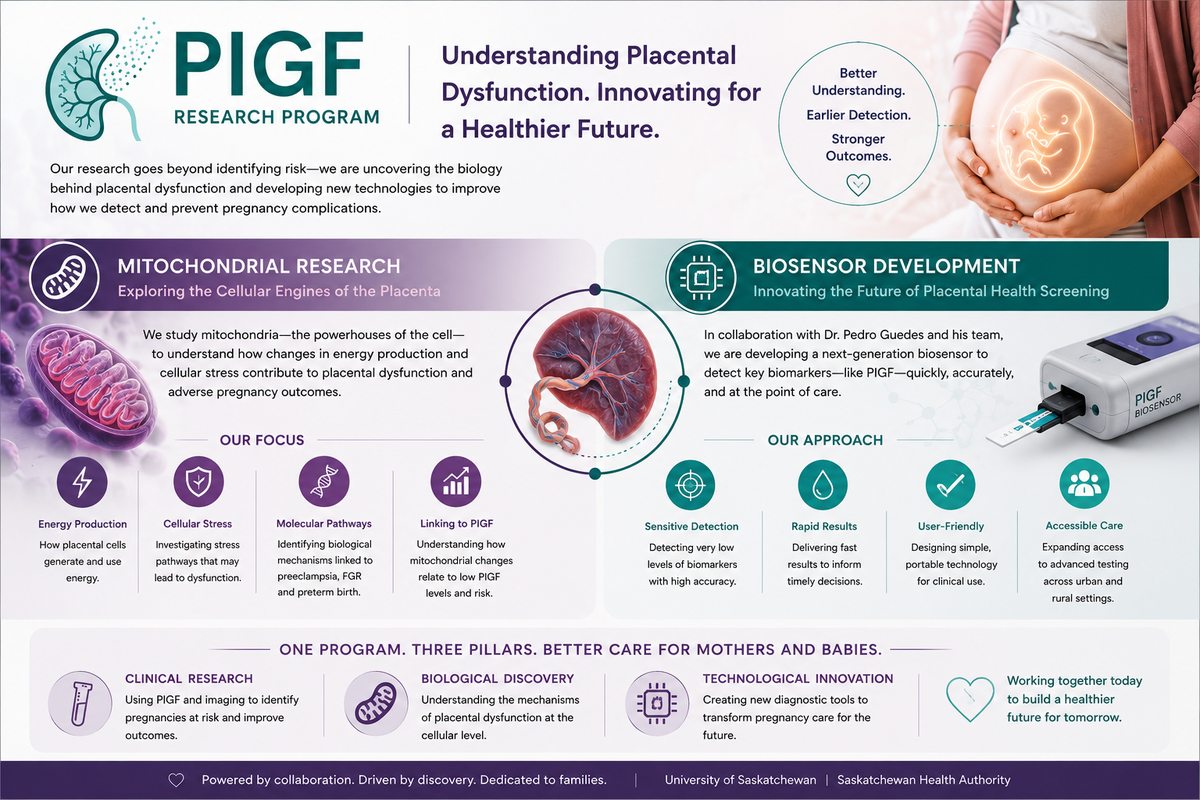
PlGF Research Program infographic: mitochondrial research and biosensor development

Pregnancy complications such as preeclampsia, fetal growth restriction, and preterm birth affect thousands of families each year. While researchers have made significant progress in identifying pregnancies at risk, many questions remain about why these complications develop and how they can be detected earlier.

As part of the Saskatchewan Placental Growth Factor (PlGF) Research Program, researchers are investigating the cellular biology of placental dysfunction and developing innovative technologies that may improve future pregnancy screening and monitoring.

Looking Inside the Placenta

The placenta is the lifeline between mother and baby, delivering oxygen and nutrients throughout pregnancy. When placental function becomes impaired, both maternal and newborn health can be affected.

Our research team is studying mitochondria, the tiny structures within cells that generate energy and support normal cellular function. Because the placenta requires large amounts of energy to support fetal growth and development, mitochondrial health is believed to play a critical role in maintaining a healthy pregnancy.

Researchers are examining whether changes in mitochondrial function contribute to placental dysfunction and adverse pregnancy outcomes. By analyzing placental tissue and biological samples, the team hopes to better understand:

  • How placental cells produce and use energy
  • Whether mitochondrial function differs in pregnancies affected by placental dysfunction
  • The relationship between mitochondrial health and low PlGF levels
  • Biological pathways involved in preeclampsia, fetal growth restriction, and preterm birth
  • Potential targets for future prevention and treatment strategies

Connecting Clinical Research and Laboratory Discovery

Previous studies from the PlGF Research Program have demonstrated that low PlGF levels are associated with an increased risk of several serious pregnancy complications. While PlGF helps identify pregnancies at higher risk, researchers are now working to understand the biological mechanisms underlying these abnormal findings. The mitochondrial project represents an important step toward linking clinical observations to the underlying cellular processes in the placenta.

Developing the Next Generation of Pregnancy Diagnostics

In addition to studying placental biology, the research program is collaborating with Postdoctoral fellow Pedro Guedes and Dr. Ana Mendes-Silva at the Mito-Brain lab in the Department of Psychiatry at the University of Saskatchewan to develop an innovative biosensor technology to improve the detection of biomarkers associated with placental dysfunction.

Biosensors are devices that can rapidly detect specific biological molecules in blood or other samples. The goal is to create technologies that are sensitive, efficient, and potentially more accessible for clinical use.

By combining expertise in maternal-fetal medicine, placental biology, engineering, and biotechnology, researchers hope to advance new approaches for identifying placental dysfunction earlier and more accurately. This work represents an exciting example of translational research—bringing discoveries from the laboratory closer to real-world clinical applications that may ultimately benefit patients and healthcare providers.

Building the Future of Precision Pregnancy Care

The long-term vision of the PlGF Research Program is to create a more complete understanding of placental health throughout pregnancy, by combining clinical biomarker research (PlGF), mitochondrial and placental biology studies, advanced biosensor technology development, and maternal and newborn outcome research. The team hopes to improve how pregnancy complications are identified, monitored, and managed.

Looking Ahead

Understanding placental dysfunction requires collaboration across many disciplines. Through partnerships between clinicians, researchers, engineers, trainees, and patients, Saskatchewan researchers are helping advance the future of precision pregnancy care. From uncovering the cellular mechanisms of placental disease to developing next-generation diagnostic tools, this research program is working toward a common goal: healthier pregnancies, healthier babies, and better outcomes for families across Saskatchewan and beyond.