

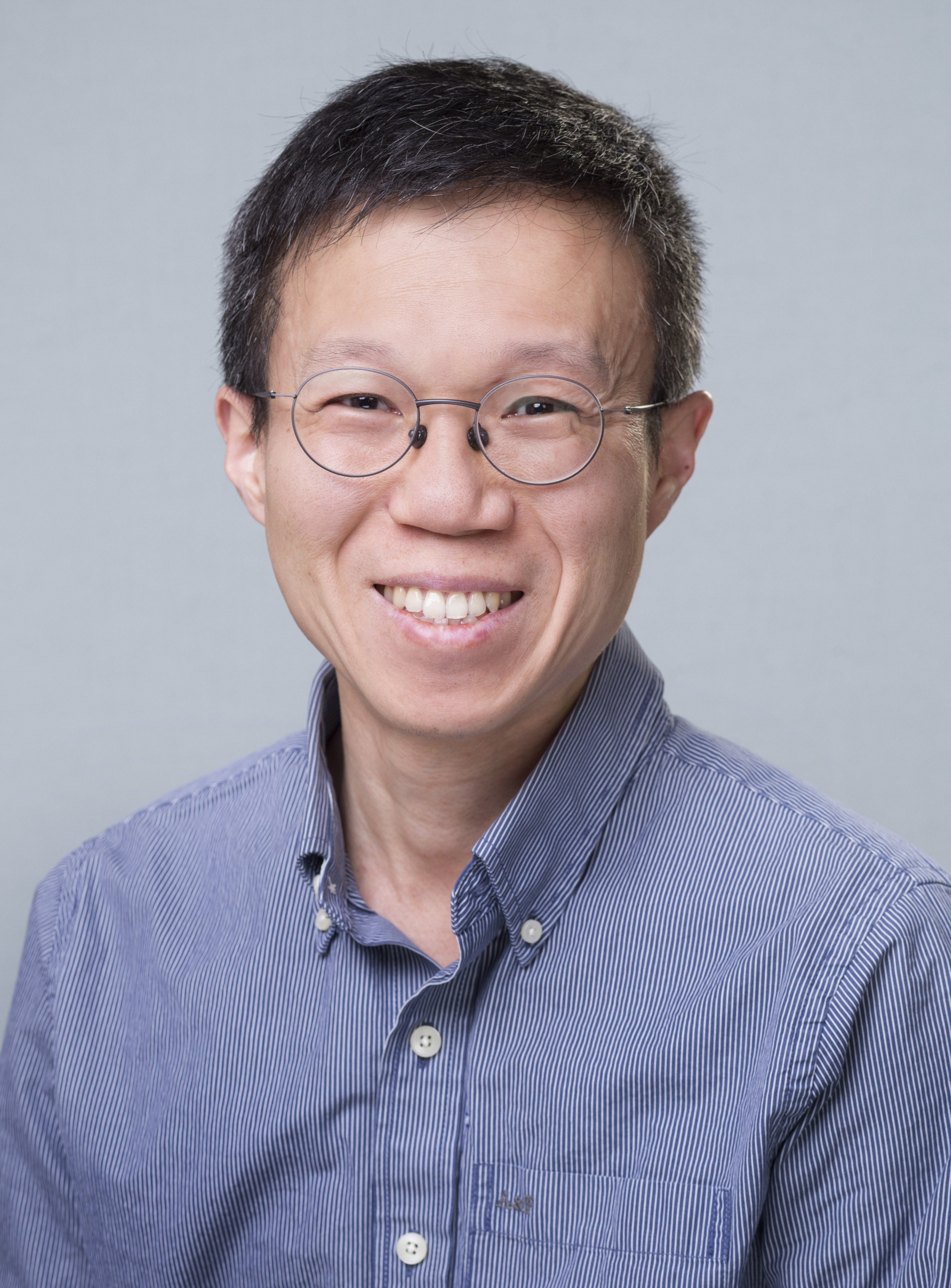
Byung-Kook (Brian) Ham BSc, MSc, PhD
Associate Professor- Address
- 112 Science Place, University of Saskatchewan Saskatoon, SK S7N 5E2 Canada (BIOLOGY)
Research Area(s)
- Root-Shoot Communication
- Nutrient-stress Signaling
- Plant Vascular System
- Phloem
- Plasmodesmata
- Plant Physiology
- Protein Biochemistry
- RNA Signaling
- Root System Architecture
- Xylem
- Cell Imaging
Education
- PhD, Korea University, Seoul, South Korea (2003)
- MSc, Korea University, Seoul, South Korea (1999)
- BSc, Korea University, Seoul, South Korea (1997)
Career
- Associate Professor, Usask, (2025-Current)
- Assistant Professor, Usask, (2018-2025)
- Associate Project Scientist, University of California-Davis, (2017-2018)
- Assistant Project Scientist, University of California-Davis (2010-2017)
- Postdoctoral Fellow, University of California-Davis (2005-2010)
- Postdoctoral Fellow, Korea University (2003-2005)
About Me
Dr. Byung-Kook (Brian) Ham is an Associate Professor in the Department of Biology at the University of Saskatchewan (USask). His research program focuses on the molecular and physiological mechanisms that coordinate plant growth, development, and adaptation to changing environmental conditions through intercellular and long-distance communication.
Dr. Ham received his BSc in Agriculture (1997), MSc in Molecular Biology (1999), and PhD in Molecular Biology (2003) from Korea University, South Korea. In 2005, he joined the Department of Plant Biology at the University of California, Davis (UC Davis), as a postdoctoral researcher. He was subsequently appointed as an Assistant Project Scientist in 2010 and promoted to Associate Project Scientist in 2017. In January 2018, he joined the Department of Biology at USask, where he established his independent research program.
A central theme of his research is the role of the plant vascular system, particularly the phloem, as a long-distance communication network that integrates physiological processes between shoots and roots. His laboratory investigates the identity, trafficking, and biological functions of mobile signaling molecules, including proteins and RNAs, in the regulation of plant nutrient homeostasis, root system architecture, and environmental stress responses. His research integrates plant physiology, molecular genetics, protein biochemistry, cell biology, and advanced imaging approaches.
His long-term research vision is to advance our fundamental understanding of plant systemic signaling and translate these discoveries into innovative strategies for sustainable agriculture, with particular emphasis on nutrient-use efficiency, crop productivity, and resilience to environmental stresses.
Current Teaching:
Undergraduate Courses
-
BIOL 331.3 – Plant Physiology
-
BIOL 326.3 – Plant Development (offered in alternate years)
-
BIOL 222.3 – The Living Plant (taught in selected terms)
Graduate Courses
-
BIOL 836.3 – Advanced Plant Physiology (taught in selected terms)